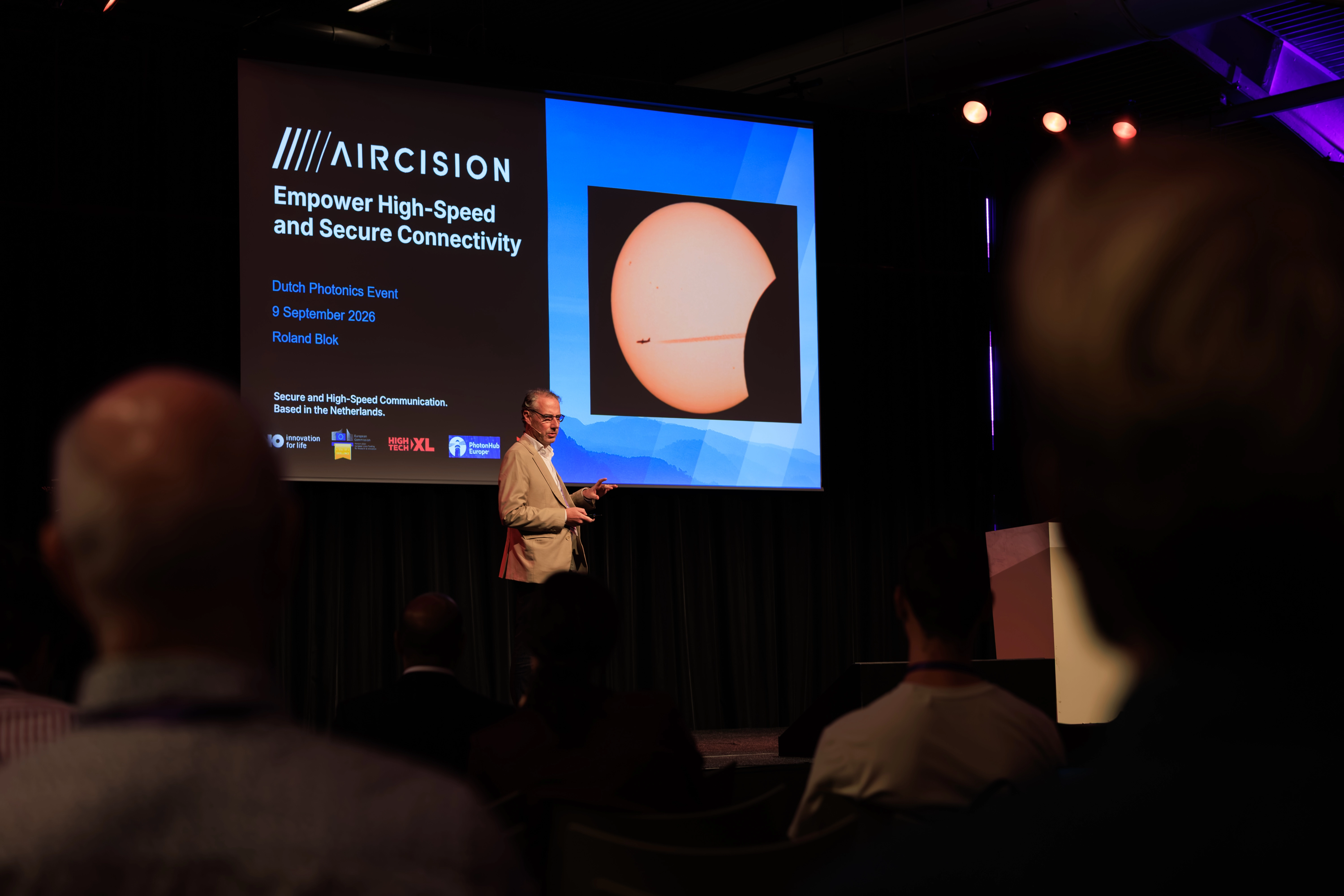
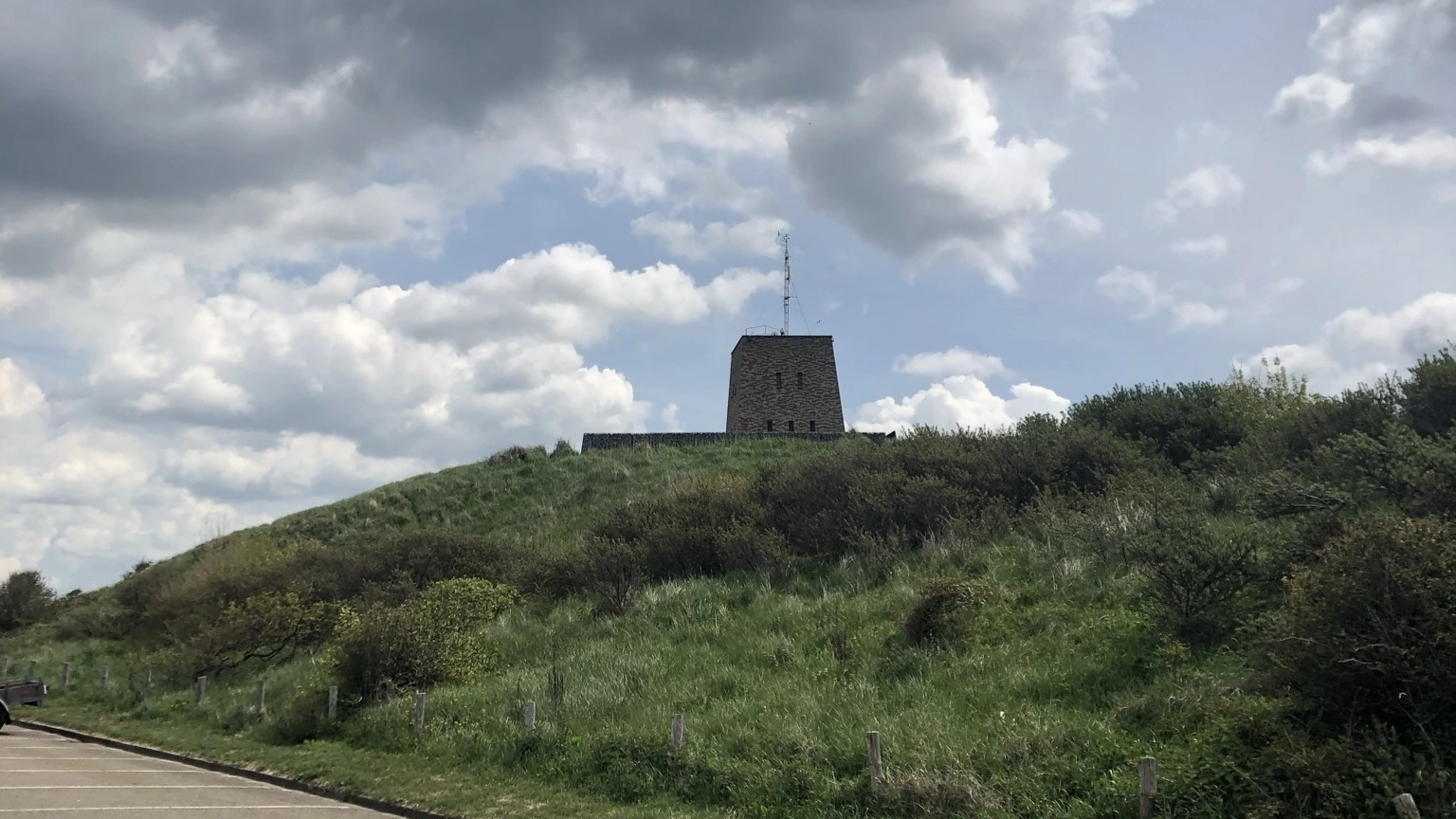
In May 2021, Aircision and TNO demonstrated a 10 Gbps free-space optics (FSO) link over a distance of 2.5 km. The link ran between the tower at TNO's Oude Waalsdorperweg facility in The Hague and the Luchtwachttoren in Scheveningen. TNO described it as the first optical wireless link of 10 Gbps over 2.5 km in the Netherlands.
What did Aircision and TNO demonstrate?
The field test was the main goal of BackCAT (Backhaul Communication Active Terminal), a project Aircision and TNO launched with a consortium agreement in September2020. BackCAT combined TNO's high-throughput FSO technology with Aircision's structured beam forming. The aim was clear from the start: test and demonstrate a 10 Gbps link over 2.5 km. The prototype terminals at both ends of the link reached that target.
10 Gbps is widely seen as the benchmark for wireless links that can serve 5Ginfrastructure. Reaching it over 2.5 km showed that light, sent through the air instead of through cables or radio waves, could carry backhaul-grade capacity across a real urban environment.
Why did the result matter?
FSO links are fast to deploy, highly secure and operate without spectrum licensing. The 2021result showed that these benefits could come with the capacity and range that mobile and broadband networks need. Aircision and TNO pointed to rural 4G and 5G expansion, 5G enterprise networks and rapid deployment as early use cases.
“This field test is crucial for our mission to build high performing FSO systems thatmeet the demand for worldwide connectivity. By demonstrating that ourtechnology works at 10 Gbps and 2.5 km, we are on our way to outperform thetechnical specifications set by current E-band solutions.”
Luis Oliveira, co-founder and CEO of Aircision
Niel Truyens, Senior Business Developer at TNO, said the project put TNO Space's goals into practice: enabling secure broadband connectivity and helping Dutch and European companies build new products and strengthen their competitive position.
What came next?
Right after the test, Aircision and TNO set the next target: 20 Gbps over 5 km for Aircision's first product, with a field test planned for Q4 2021 and commercial pilots in 2022. The long-term ambition was ground-to-ground FSO systems delivering 100Gbps over 10 km and beyond. The project was co-funded by Holland High Tech through a PPP grant for research and innovation in the Top Sector HTSM.
The years that followed went well beyond those first goals. In February 2023, Aircision demonstrated 1.2 Tbps over a 1.7 km link using coherent modulation and wavelength division multiplexing. In October 2024, researchers at Eindhoven University of Technology (TU/e) used Aircision's optical antennas to transmit 5.7 Tb/s over a 4.6 km urban link in Eindhoven; a result presented at OFC 2025. Read the full timeline in The Growth of FSO Technology.
Frequently Asked Questions
Original source
Originally reported by TNO Newsroom, 25 May 2021: https://www.tno.nl/en/newsroom/2021/05/aircision-tno-successfully-demonstrate/